
Winchester Previous Residents Sources
Previous residents research begins by choosing a record suited to the period. The city’s Vision assessment card supplies the current parcel reference. Recorded instruments follow title. Handley directories and newspapers can place people or businesses at an address in a publication year. Sanborn maps hold the physical structure in view. The Library of Virginia, or LVA, supplies older city and Frederick County catalog routes when a current online service is no longer enough.
| Source | Years It Covers | Where Held | What It Shows |
|---|---|---|---|
| Vision assessment search | Current assessment; odd-year reassessment cycle | City GIS / Vision | Situs, parcel, tax map, owner field, sale and building details |
| Remote circuit land records | Internet access described from 2006 | Winfred / RISWeb subscriber service | Recorded index and image access under subscriber terms |
| Winchester deed books | 1789–1845 listed runs | LVA catalog, microfilm, and clerk channels | Parties, transfers, and legal descriptions |
| Frederick County deed indexes | 1743–1924 listed index runs | LVA catalog and county clerk | County-side ownership trail |
| Directories and newspapers | Directories stated 1878–present; historic papers as early as 1786 | Handley Archives and library databases | Dated occupants, notices, and address references |
| Sanborn maps | 1885–1927 listed microfilm dates | Handley Archives | Building footprint, use, and block context |
Those sources produce different claims. A deed supports a transfer. A directory supports a dated occupant or business reference. A map supports structure continuity. Keeping the source type beside each name prevents a past-residents timeline from turning into an unsupported household roster.
Start Winchester Parcel Records
Use the Winchester Vision property search to capture the street address, tax map or MBLU, parcel number, owner-of-record display, sale information, and any book and page reference. Vision offers Address, Owner, Parcel #, Tax Map, Vision PID, and All modes. Address autocomplete requires at least three characters. The owner field can name a trust, estate, business, government, or other legal owner, so it should be treated as a lead rather than evidence that a person lived at the address.
The Library of Virginia’s Winchester microfilm catalog is a useful next stop once a parcel points to an older city record.
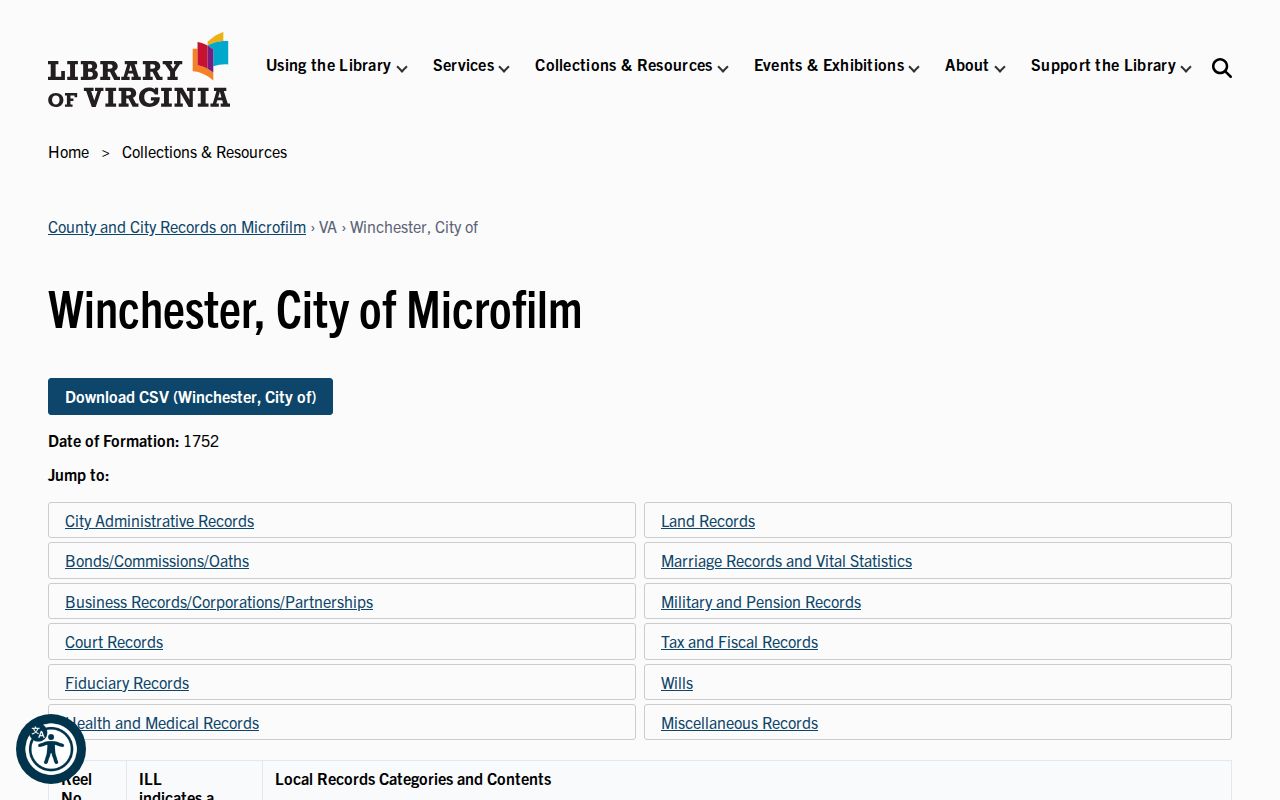
The catalog route keeps early city material separate from a modern assessment card. It is especially important when an older address belongs in Winchester city books rather than county records.
Winchester is an independent city and the seat of Frederick County. A property using a Winchester mailing address may still belong in Frederick County’s assessment and clerk systems. Confirm the corporate-limit context before carrying a city parcel number into a deed search.
Note: A property-owner display, mailing address, and situs address can all differ and should be recorded as separate fields.
Trace Winchester Deed Records
For previous residents, the deed chain is a sequence of title transfers, not an occupancy list. Start with the current assessment card and search the Winchester Circuit Clerk records for the latest deed using the displayed grantee or legal description. Read the instrument for the grantor, grantee, date, consideration, deed book and page, easements, restrictions, and references to earlier instruments. Then search the grantor as an earlier grantee. Repeat the process, checking spelling variants, estates, trusts, parcel divisions, plats, and later releases.
- Copy the current situs address, parcel number, tax map or MBLU, owner field, legal description, and any book/page reference.
- Locate the latest recorded deed through the appropriate circuit clerk route and compare its legal description to the parcel.
- Record the grantor, grantee, recording details, prior-instrument reference, and any change in the parcel description.
- Use the grantor as the next earlier grantee and continue backward one instrument at a time.
- Move to clerk-counter books, LVA microfilm, or Handley collections when the online route does not reach the needed era.
- Grantor
- The person, estate, trust, or entity transferring an interest in an instrument.
- Grantee
- The person, estate, trust, or entity receiving that interest.
- Chain of title
- The documented sequence of transfers connecting one recorded interest to an earlier one.
- Legal description
- The lot, block, subdivision, metes-and-bounds, or other land description that identifies the parcel beyond a street number.
A complete recorded description matters when numbering changes or a lot splits. It also helps distinguish a parcel from a nearby address with a similar street name.
Winchester Remote Records Access
Winchester and Frederick remote land-record access is described as available from 2006, but that is an internet-access date, not the beginning of local land records. The subscriber route requires an original notarized agreement and separate accounts for the city and county. The stated annual charge is $500 per court office for up to three users, plus $100 for each additional user. A reader should not infer a public online cutoff because the official material does not state one.
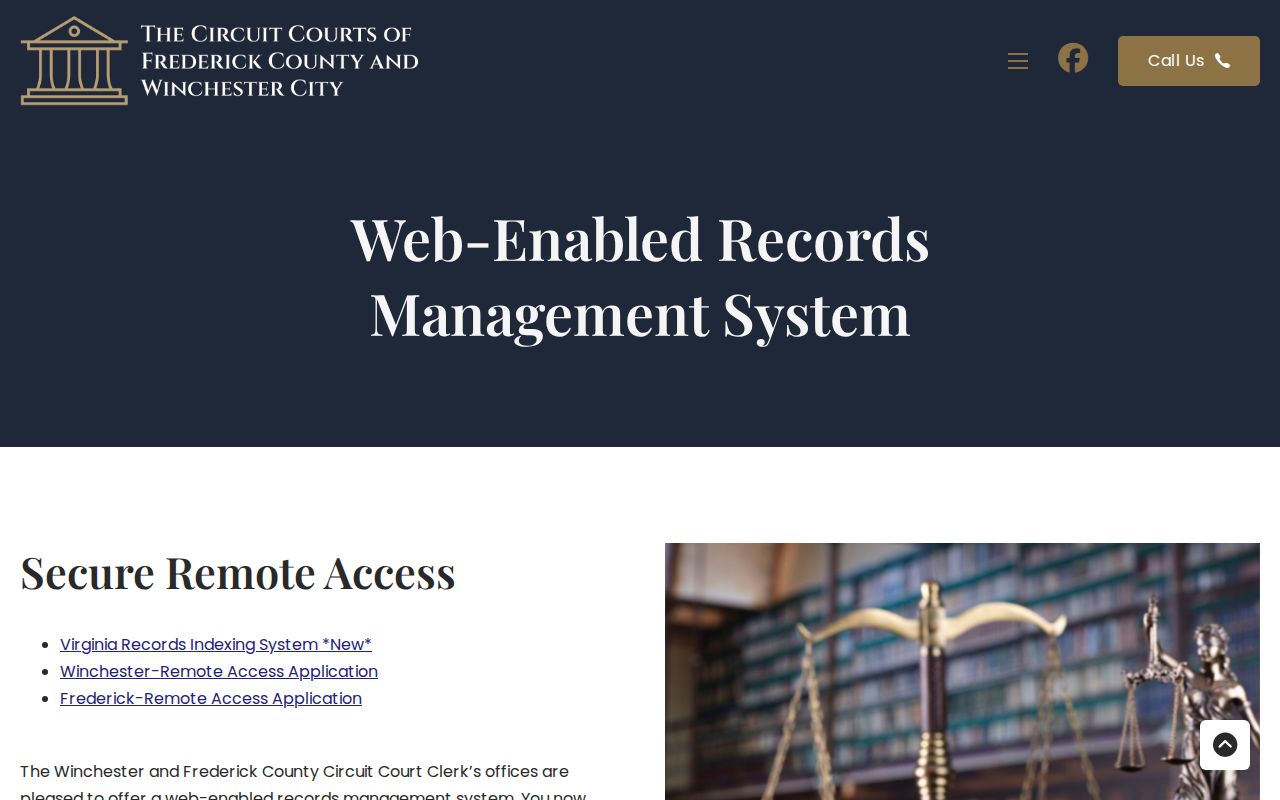
When subscriber access is unavailable, the Circuit Clerk counter can explain grantor/grantee indexes, deed books, plats, releases, and certified-copy procedures. Phone, mail, and reference requests work best with an exact address, locality, date range, owner or grantor, and book/page. Ask the custodian about current copying or certification costs before making a long request.
The Joint Judicial Center holds both Winchester and Frederick offices. That shared building does not merge their records. Choosing the right locality remains essential throughout a deed-chain search.
Winchester County Record Books
Older record windows give the backward trail real anchors. LVA lists Winchester deed books 1 through 8 from 1789–1845. The same city catalog names common-council minutes from 1841–1884, ordinances from 1822–1892, fiduciary accounts from 1871–1924, and other court series. Frederick County’s catalog separately lists general deed-index runs from 1743–1839, 1839–1876, 1873–1889, 1888–1899, 1900–1908, and 1909–1924. These are separate tracks, not interchangeable coverage.
LVA’s Frederick County records catalog helps identify the county-side materials before arranging a clerk or archive visit.
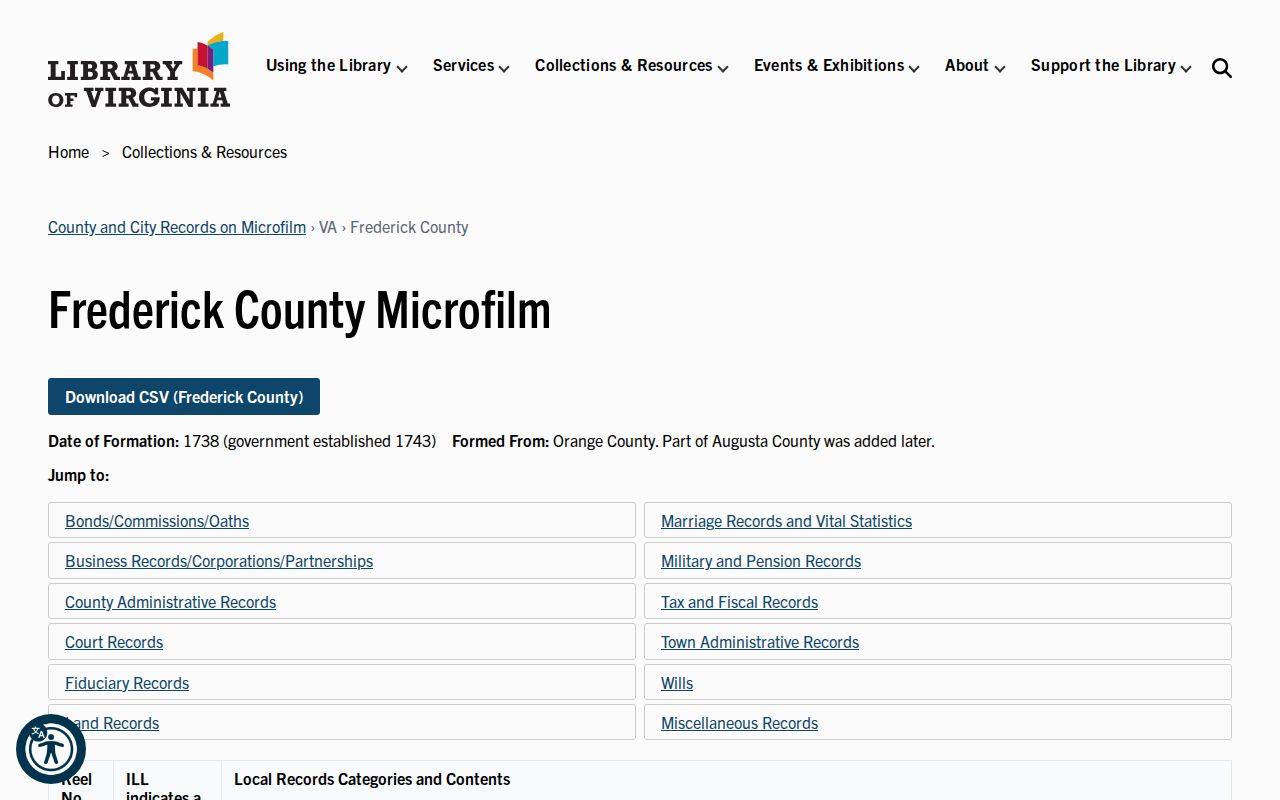
The comparison is more than a filing detail. Winchester became an independent city in 1874, and its 1971 annexation added land from Frederick County. An older instrument and a later assessment may use different locality language while describing the same physical area.
Winchester Household Records by Year
Directories reveal occupants or businesses. Deeds reveal transfers. For the household layer, consult the confirmed Handley directory holdings, then compare an address across nearby editions and census material available through the library’s research access. The archives state Winchester and Frederick directories from 1878 to the present, while concrete holdings include family listings for 1878–1922, printed directory material for 1898–1960, and a City of Winchester Directory for 1987–1988. A missing entry does not prove absence, because listing practices varied.
The historical volumes themselves are described more fully in the Winchester City Directory. For an address timeline, retain the edition year, printed address, name or business, and the type of entry. Do not call a person an owner simply because a directory placed that person at the property.
- Choose a directory edition close to the period being tested and search the name and street forms available in that volume.
- Log the printed address, entry type, and exact year, then check adjacent editions for a move in, move out, or renumbering clue.
- Pair each dated directory clue with the relevant census source, newspaper, deed, or assessment evidence rather than treating any one item as complete.
- Use the legal description, lot/block, adjoining owners, and building evidence if the old address does not match today’s numbering.
Handley confirms occasional street lists but did not identify an exhaustive reverse or criss-cross series in the public pages reviewed. Ask Archives staff specifically for reverse directories, telephone books, street indexes, and shelf call numbers instead of assuming a particular run exists.
Winchester Structure Records Trail
Sanborn maps can keep the building, not the people, steady across a difficult address trail. Handley lists local map dates of 1885, 1891, 1897, 1903, 1908, 1912, 1921, and 1927. Maps can show footprints, materials, uses, outbuildings, street names, and numbering context. Pair that physical evidence with a directory, deed, newspaper notice, or address-indexed photograph before making a claim about past residents.
Newspapers offer another dated layer. Handley lists Winchester Star microfilm from 1896 to the present and historic papers as early as 1786, with selected material online through its newspaper archive. Search number and street variants, then verify a notice against the primary record or archive description. The archive also files Winchester photographs by address, which can help connect a structure to a historical file.
Note: No official street-renumbering chronology was located, so address continuity should be tested with parcel and map evidence.
Winchester Chancery Record Limits
The Library of Virginia chancery index can provide a different kind of property clue. Its Frederick Northwest availability includes an index from 1745–1926, microfilm from 1745–1859, and digital material from 1860–1912. A party name may lead to a dispute date, a parcel reference, or another record request. It does not make that party a resident or owner of the address being researched.
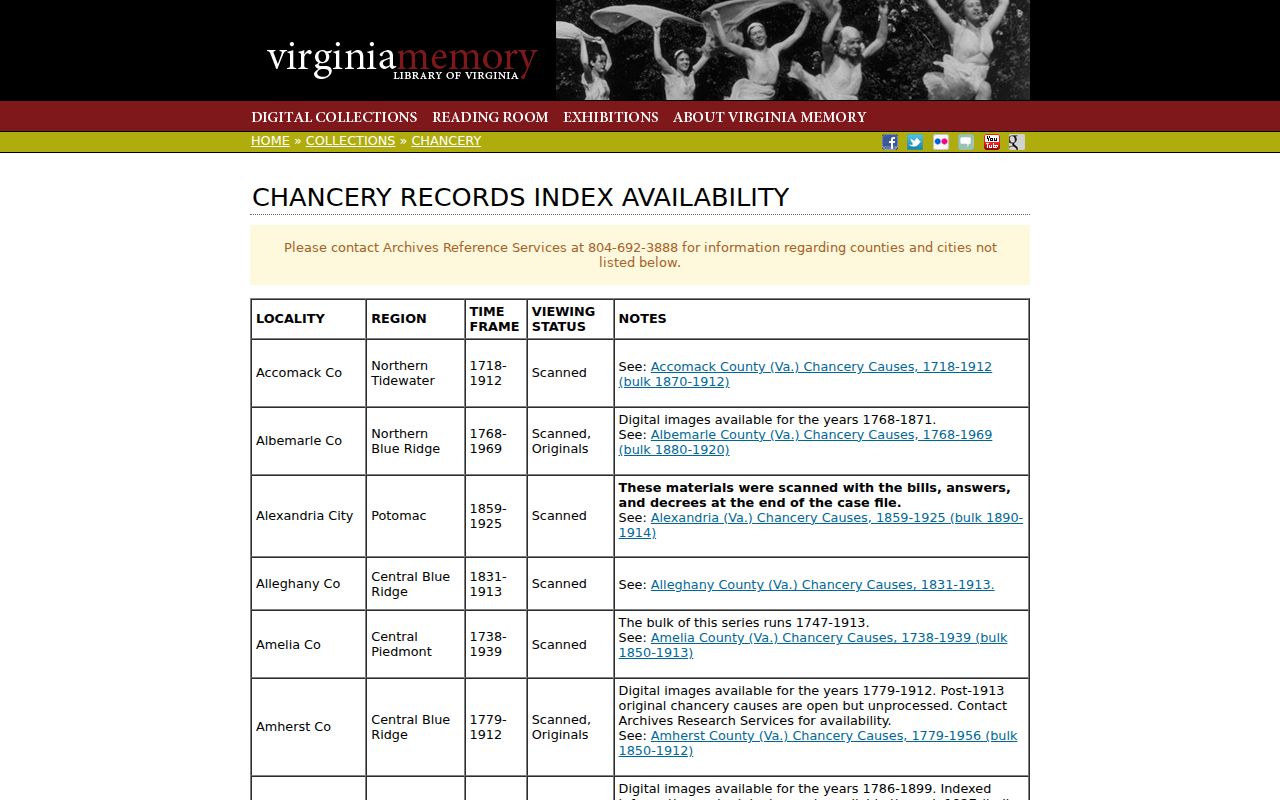
That distinction is useful when comparing sources. An assessment owner field, recorded deed party, directory occupant, newspaper subject, and chancery party each answer a different question. Labeling each relationship and its date is the most reliable way to preserve a Winchester previous-residents trail without overclaiming.
Winchester Previous Residents Boundaries
Records are dated and sometimes incomplete. A deed owner may never have lived at the house. A directory occupant may have worked there or moved soon after publication. An estate can remain in a chain, and protected details do not become suitable for reuse merely because an older index displayed them. Use the official custodian for corrections or current status, and keep the record source beside every historical claim.
Lawful use. Winchester house-history research can support family history, estate questions, and civic curiosity. Do not use names or addresses to harass, intimidate, threaten, or expose protected information.
For a missing online result, the practical fallback is the appropriate clerk counter, a specific city FOIA request for an existing record, Handley reference service, or an LVA catalog and microfilm request. State the address, year, locality, record type, and known book/page where possible. That precision makes a search more useful and avoids asking a custodian to create a new history from scratch.